Culture Detective Case File
Case: Ancestral altars and honoring family members who have died
🖼️The Evidence
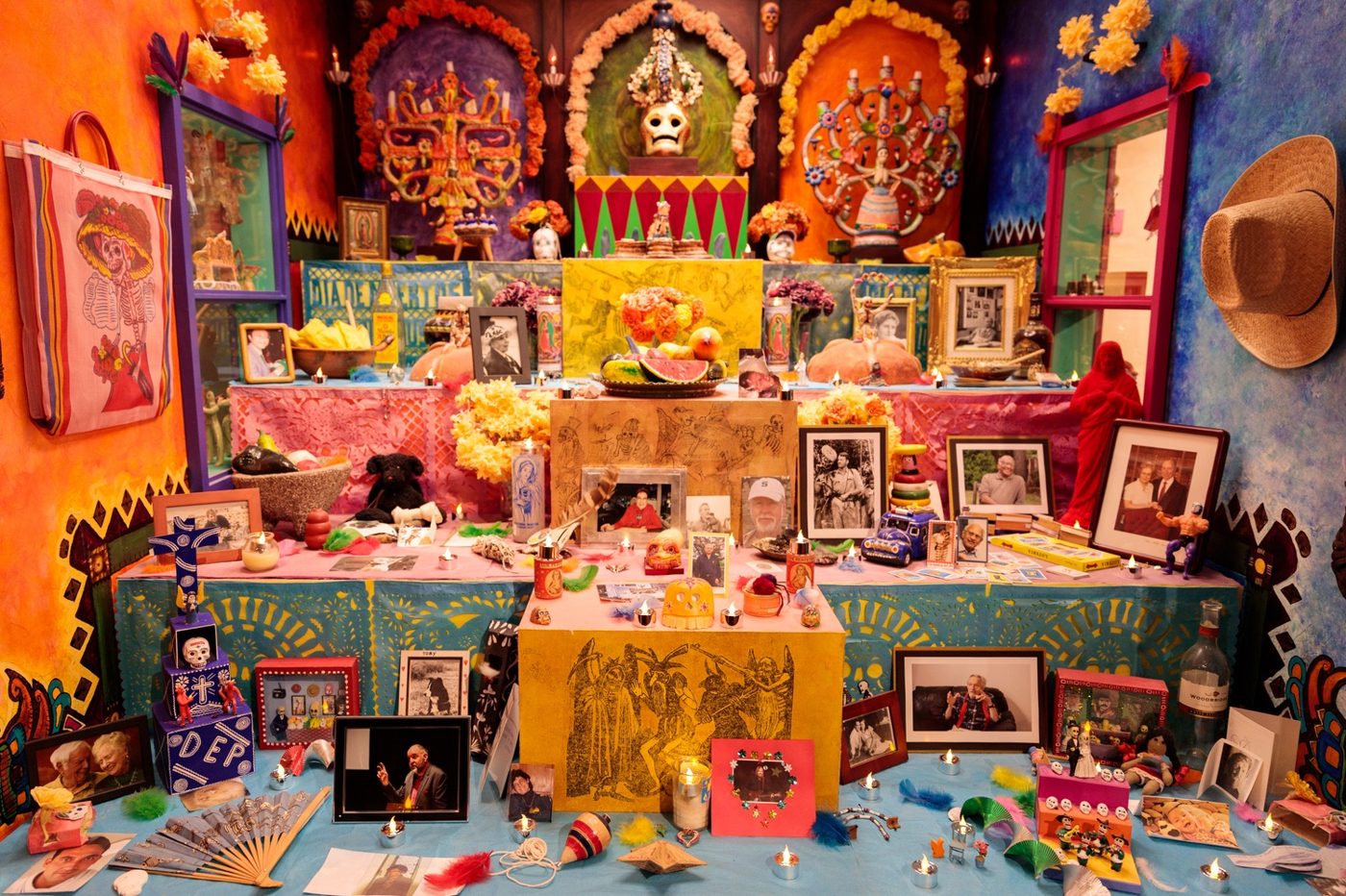
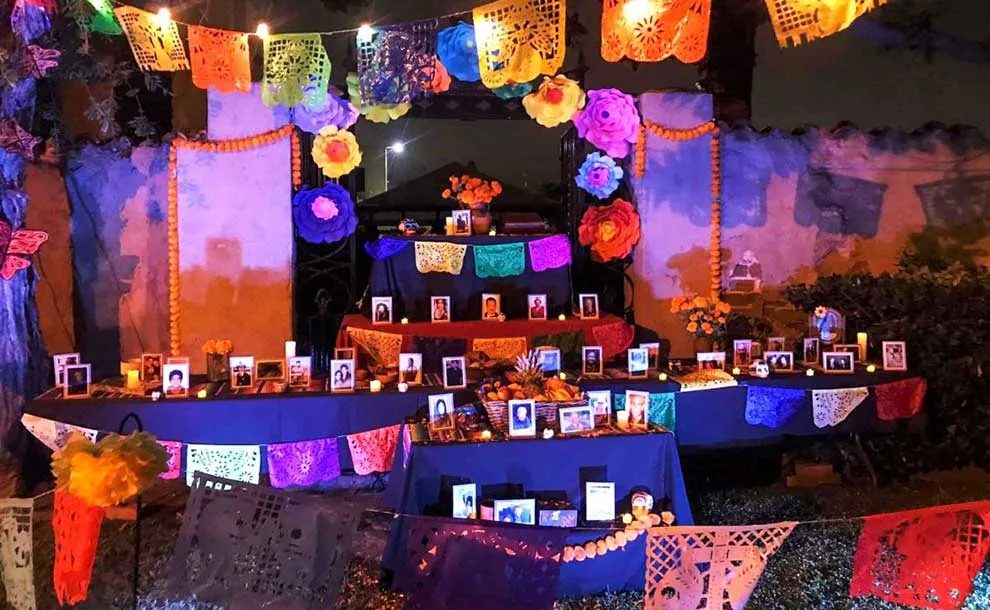
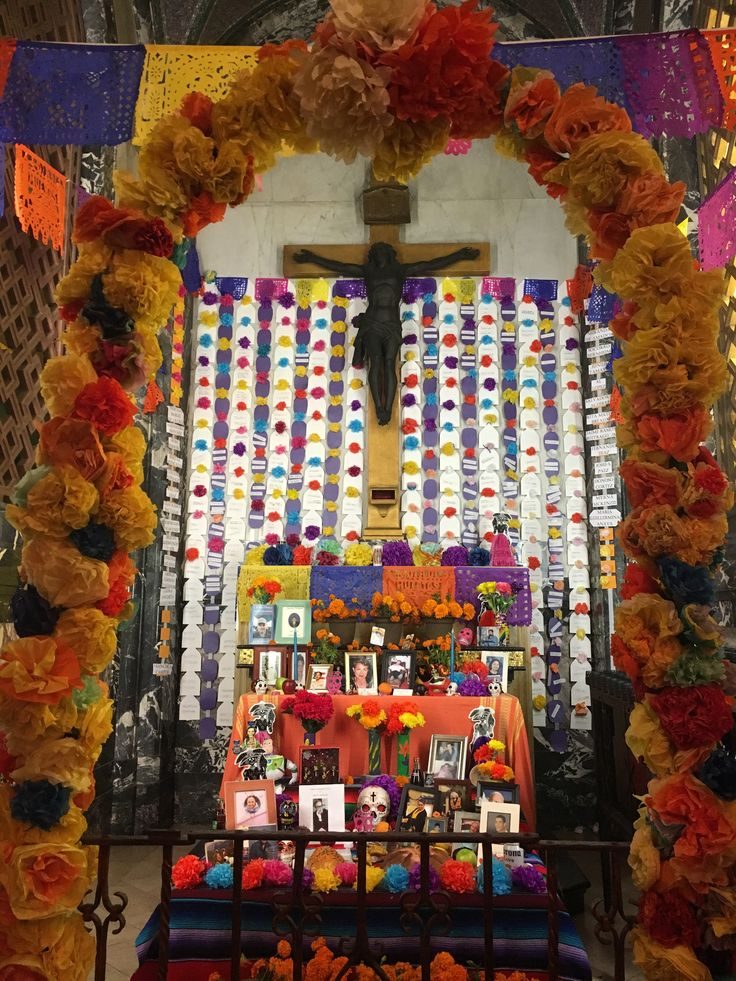
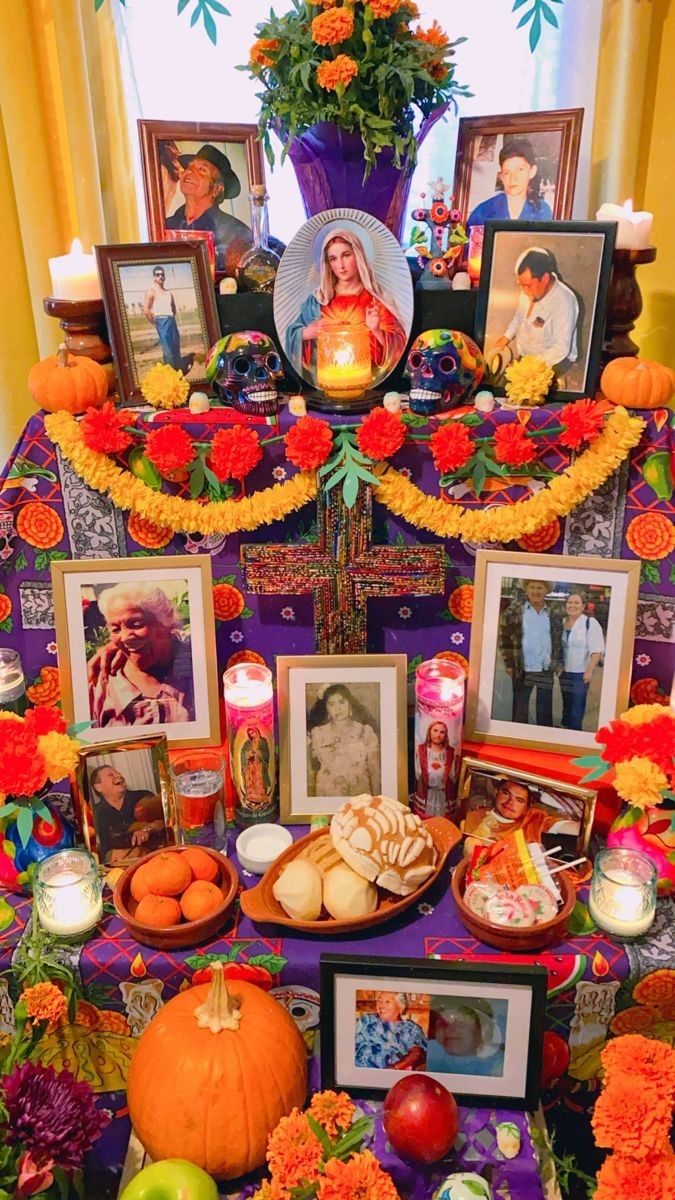
🔍What Is It?
Día de los Muertos (Day of the Dead)
Where it began and who practices itThe tradition originated in Mexico through a blend of ancient Indigenous Mesoamerican rituals and Spanish Catholic traditions. It is primarily practiced by people in Mexico and individuals of Mexican heritage living around the world.
🕯️Three Important Discoveries
📖The Joy Luck Club
Día de los Muertos and Jing-Mei's relationship with her mother both revolve around how family history is passed down through generations. When the younger generation rebels against their parents and grandparents, traditions can fade. In the story, Jing-Mei's rebellion represents a disconnect from her mother's expectations, and she only reunites with that heritage later in life, much like how keeping a tradition alive requires active remembrance rather than letting it slip away.
⚖️The Verdict
A tradition is more than an action or object because it carries a family's memories, values, and identity from one generation to the next. Día de los Muertos is taught by doing and remembering together, so an ofrenda is more than food, flowers, and photos. It keeps ancestors present in the family. In The Joy Luck Club, Jing-Mei only reconnects with her mother's heritage later in life, showing that traditions survive only when people actively remember them.